The Osa Foundation supports organizations that empower human potential in underserved communities by creating Opportunities, offering targeted Support and improving Access to resources.                 

The Osa Foundation’s work is grounded in the following values:

  • Self-reliance: We value the dignity of hard work and consider self-reliance and sustainability to be the ultimate goal of our philanthropy.

  • Equity: We believe that every person should have access to the resources needed to pursue and achieve their full potential. We will examine the pervasive and institutional barriers to equitable access of resources and employ this lens in our grantmaking.

  • Innovation: We value critical, original thinking and creative problem solving.

  • Integrity: We value honesty and transparency: accordingly we endeavor to conduct our work in a manner consistent with the highest ethical standards.

  • Diversity: We value and respect the diversity in our society. We acknowledge our obligation to examine our own biases and will work to stand up for social justice.

We seek to support grantee organizations that embody these beliefs and values.

To learn more about our story and investment philosophy, please click here.
PreK-3 Literacy Grants

Request for Proposals

Tucson is home to talented and dedicated educators. The Arizona statewide effort to increase PreK-3 reading levels has ignited The Osa Foundation’s desire to ensure Tucson educators are effectively supported and resourced to improve literacy outcomes for early readers.

Application Process

The Osa Foundation currently accepts grant proposals on an invitation only basis. Through a rigorous assessment process, we identify and select results-oriented organizations whose programs and infrastructure bring innovation, excellence and sustainability to bear in executing their mission. The Osa Foundation makes grant decisions on a rolling basis pursuant to its grantees’ preferred timeframes.

Upon invitation, please submit the following proposal materials electronically to Amy Sauer, Strategic Advisor, The Osa Foundation at amy@theosafoundation.org

Narrative: (suggested length is 3 pages)

  • The purpose of your request, including description of the program, population served, and results to date

  • A specific description of the results that you intend to achieve with this grant and description of measurements or indicators you will use to gauge your impact, including targets. If awarded a grant, you will be asked to report on these results at the end of the grant cycle.

  • A brief overview of the organization, including

    • Organization’s mission, vision, and strategic goals

    • Organization’s history of accomplishments, growth, and impact, as well as populations served.  For requests for general operating support, this information may be duplicative of the information requested in the first bullet and responses can be integrated into one response.

See Required Attachments here.

To learn more about when you will hear from us regarding your grant request submission, please click here.
Grant Reporting

All grantees are asked to submit a grant report at the end of the grant period.  Your grant award letter will indicate the suggested timeframe for submitting your report. The grant report shall include a discussion of your accomplishments for the grant period compared to the stated goals and targets that you previously laid out in your proposal.  Please also share lessons learned and an identification of where you fell short of your goals or identified areas for improvement or opportunity.  The suggested length is two pages.

Our Current Grantees:

2.png

Education to Career:

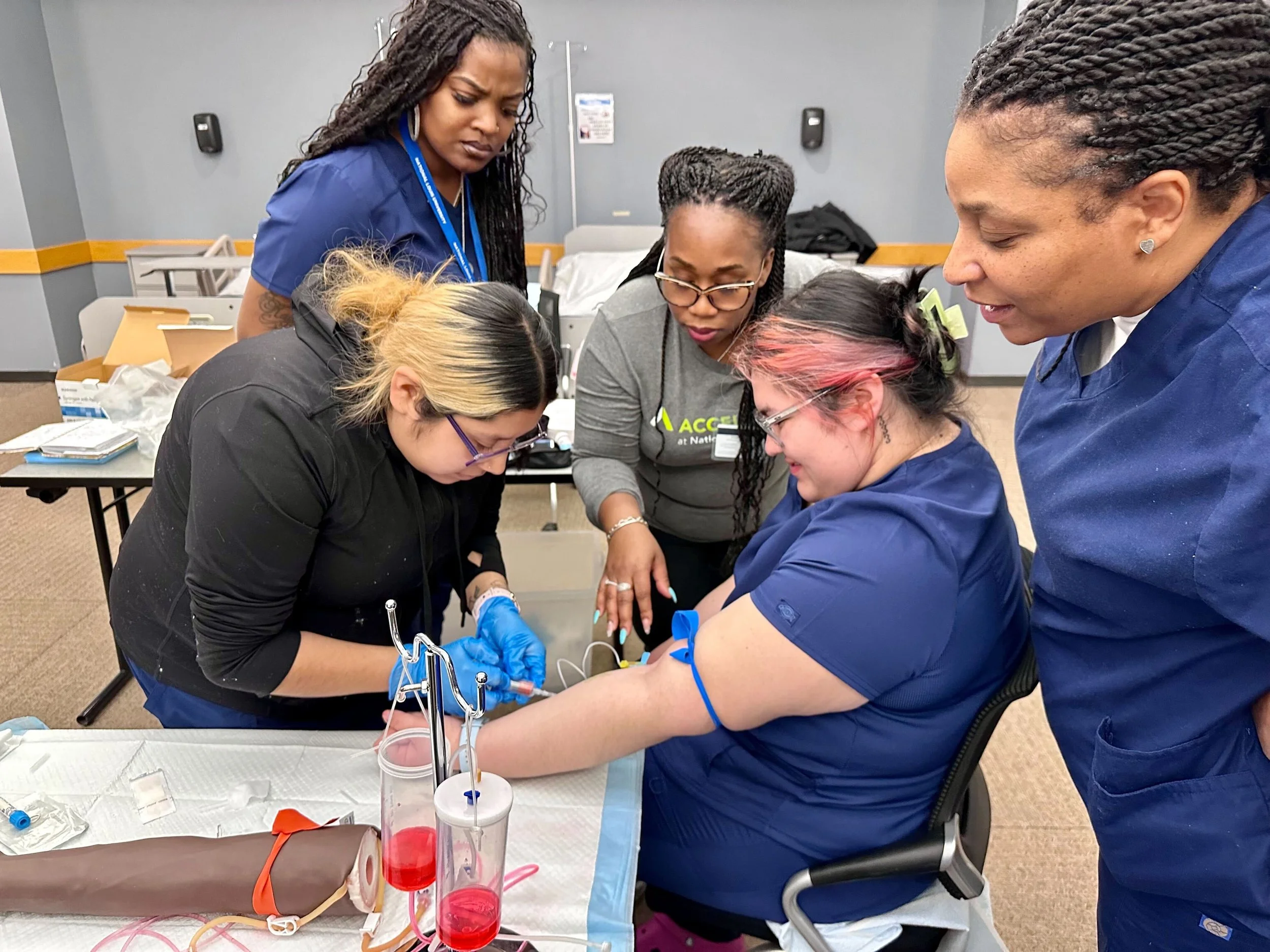
Accelerate U (Chicago)

Braven (Chicago)

Genesys Works (Chicago)

One Million Degrees (Chicago)

Progressive Pathways Fund (Chicago)

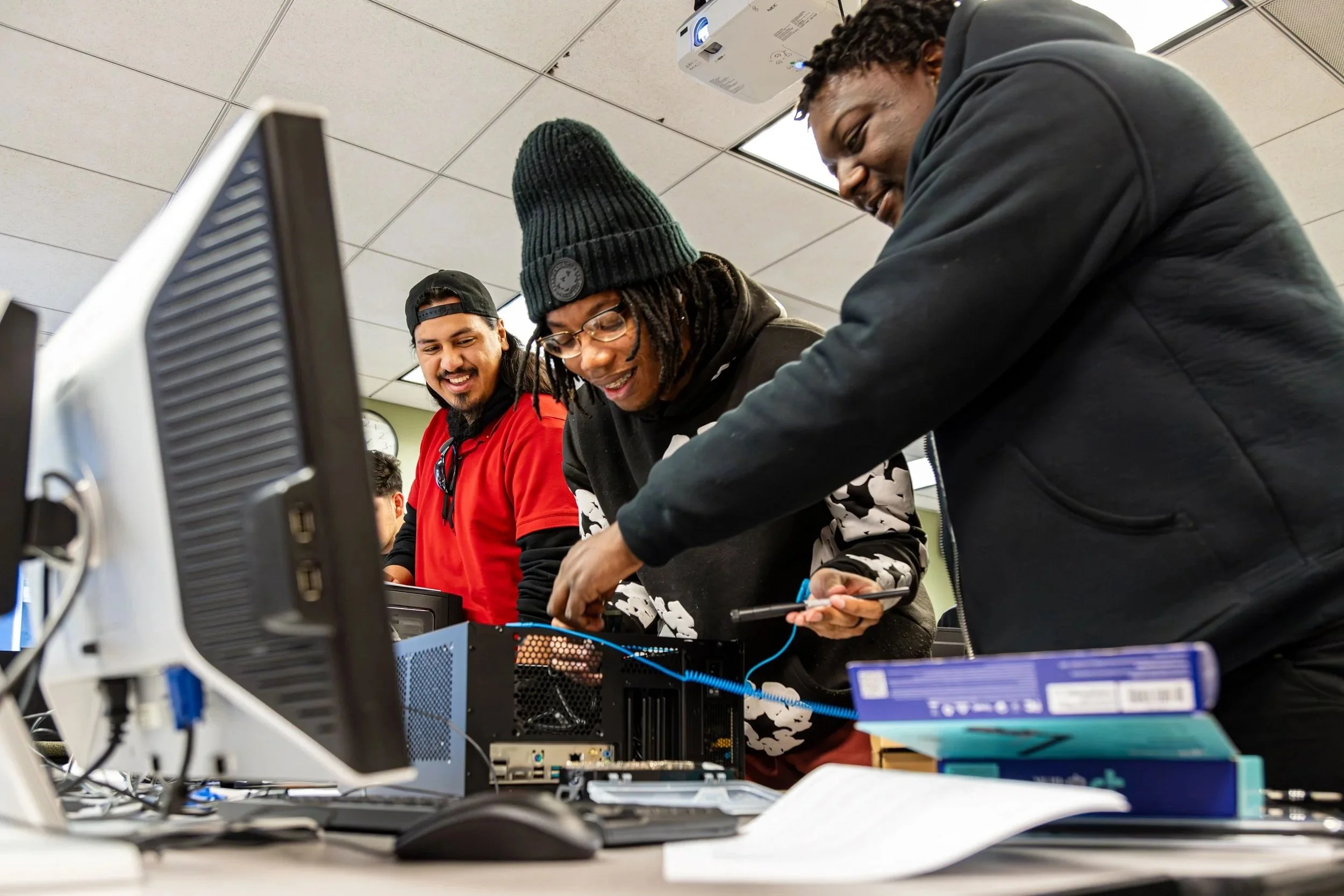
Sunnyside High School Cybersecurity CTE Program (Tucson)

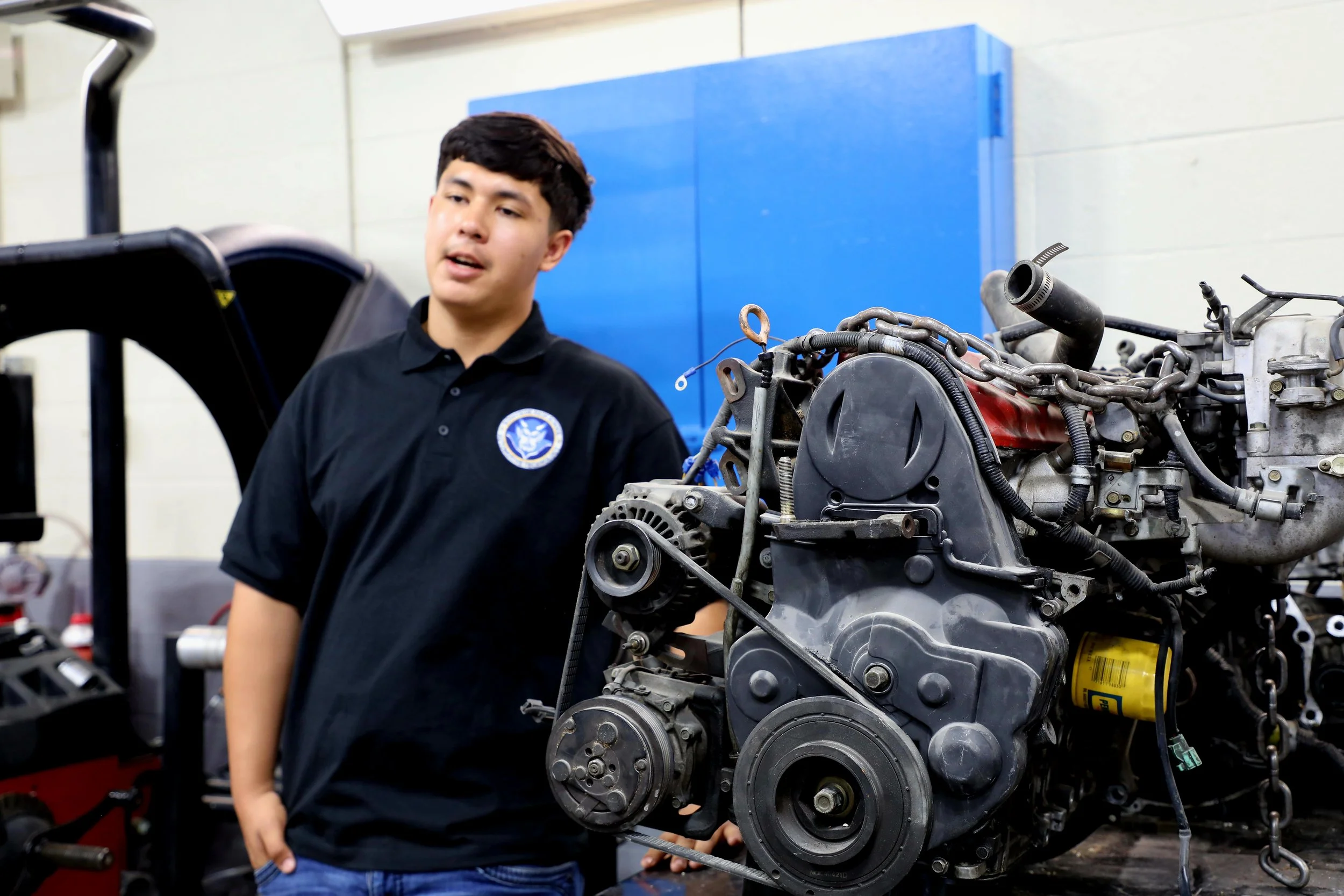
Sunnyside High School EV CTE Program (Tucson)

4.png

College Access, Completion, and Success:

Chicago Scholars (Chicago)

High Jump (Chicago)

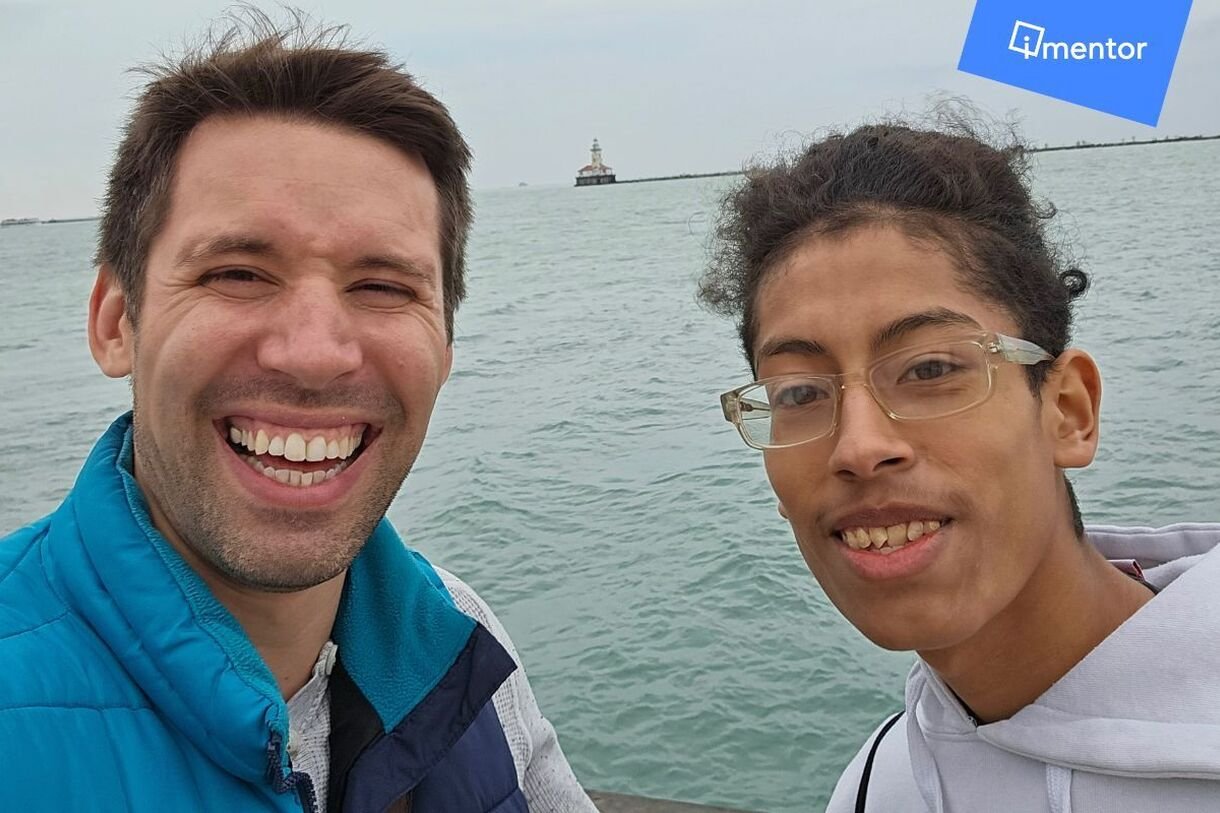
iMentor (Chicago)

National Louis University - Learn & Earn in Three (Chicago)

Partnership for College Completion (Chicago)

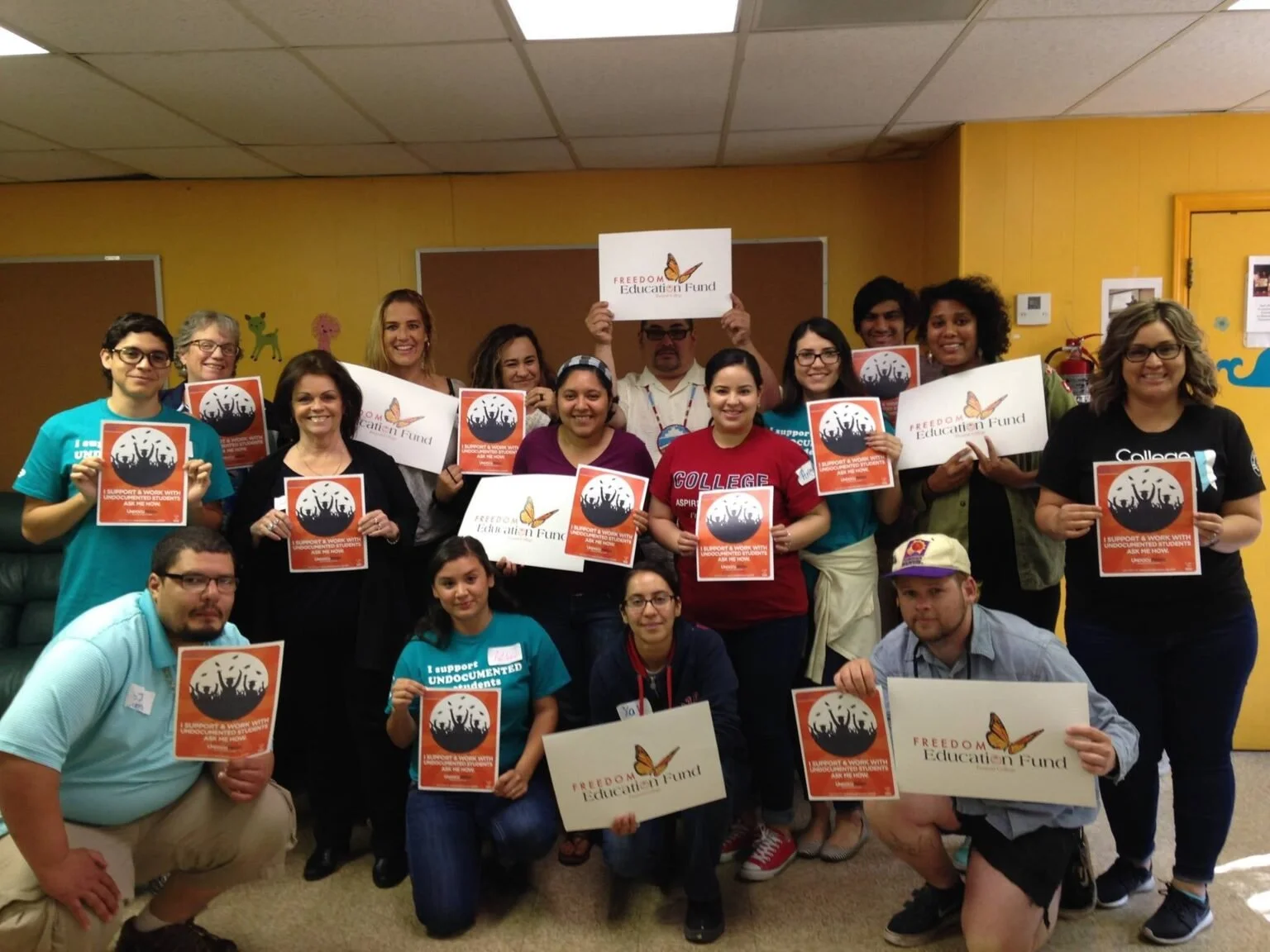
Scholarships AZ (Tucson)

Sunnyside Unified School District, University of AZ and Pima Community College Tri-School Partnership (Tucson)

3.png

Education Innovation:

Amphitheater Schools Foundation (Tucson)

Community Investment Corporation (Tucson)

Education Enrichment Foundation (Tucson)

Educators 4 Excellence (Chicago)

Flowing Wells School District (Tucson)

Golden Apple Foundation (Chicago)

Intrinsic Schools (Chicago)

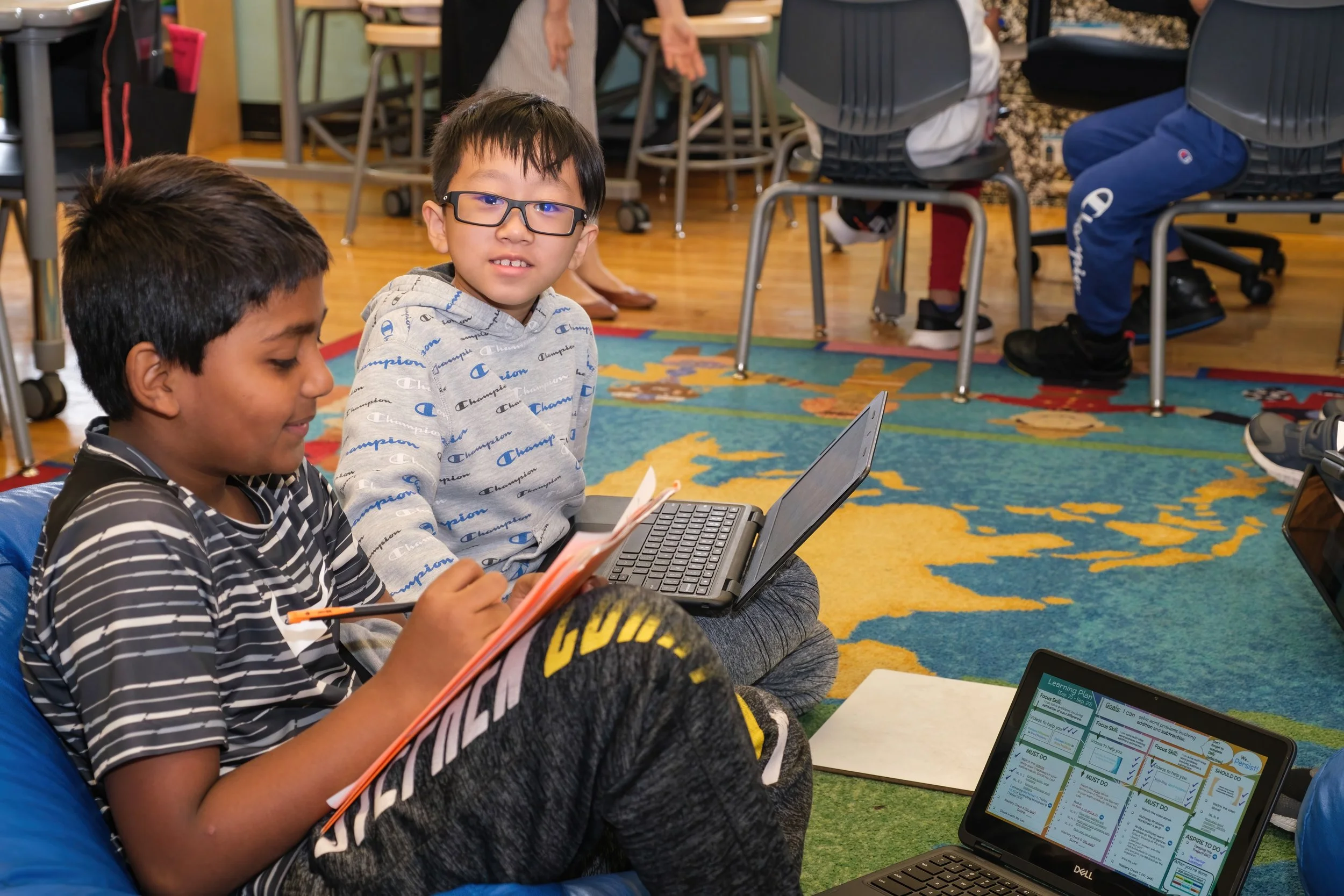
LEAP Innovations (Chicago)

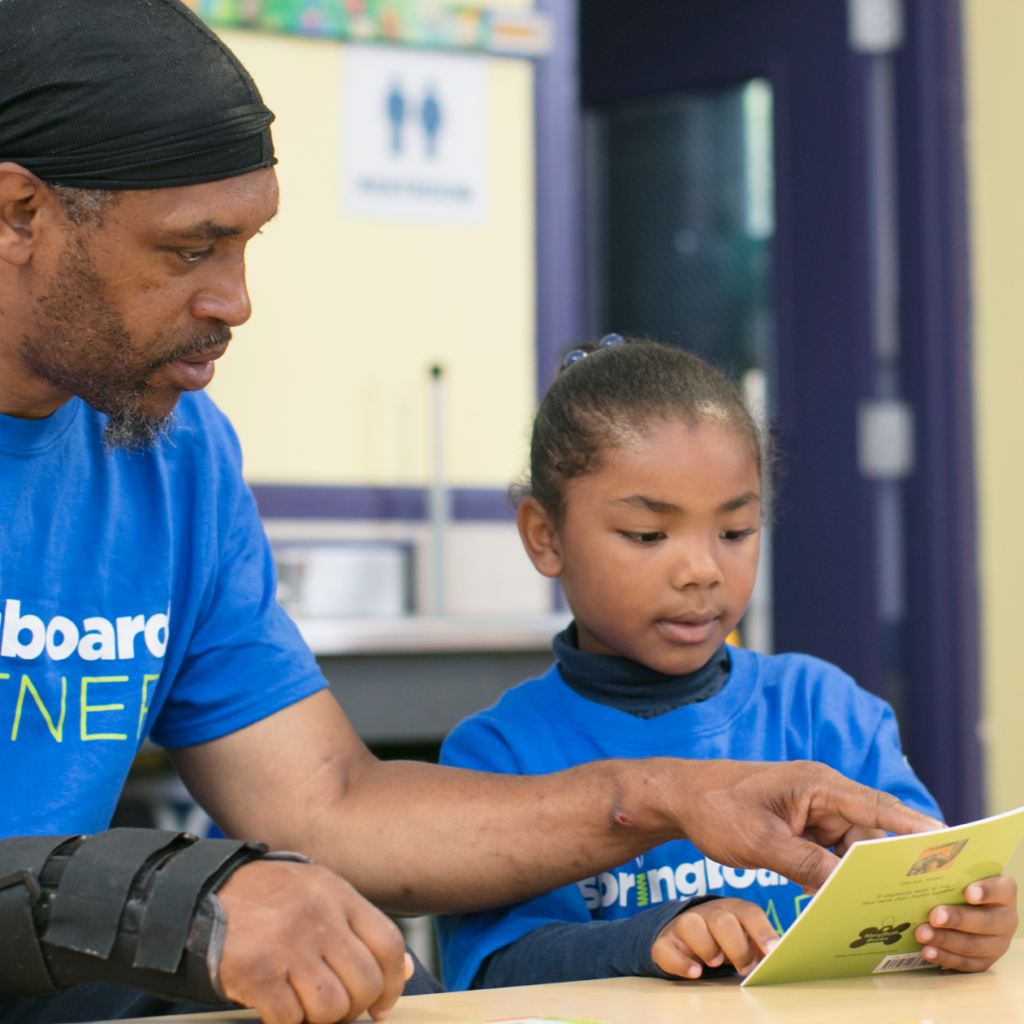
Springboard Collaborative (Chicago)

Springpoint/CPS Option Schools Initiative (Chicago)

Sunnyside Foundation (Tucson)

The Modern Classrooms Project (Chicago)

1.png

Student Engagement and Mental Health:

Boys to Men (Tucson)

Children’s Museum of Tucson (Tucson)

Echo Program at Nash Elementary School (Tucson)

Embarc (Chicago)

Sequoia Springs Trauma Healing Center (Tucson)

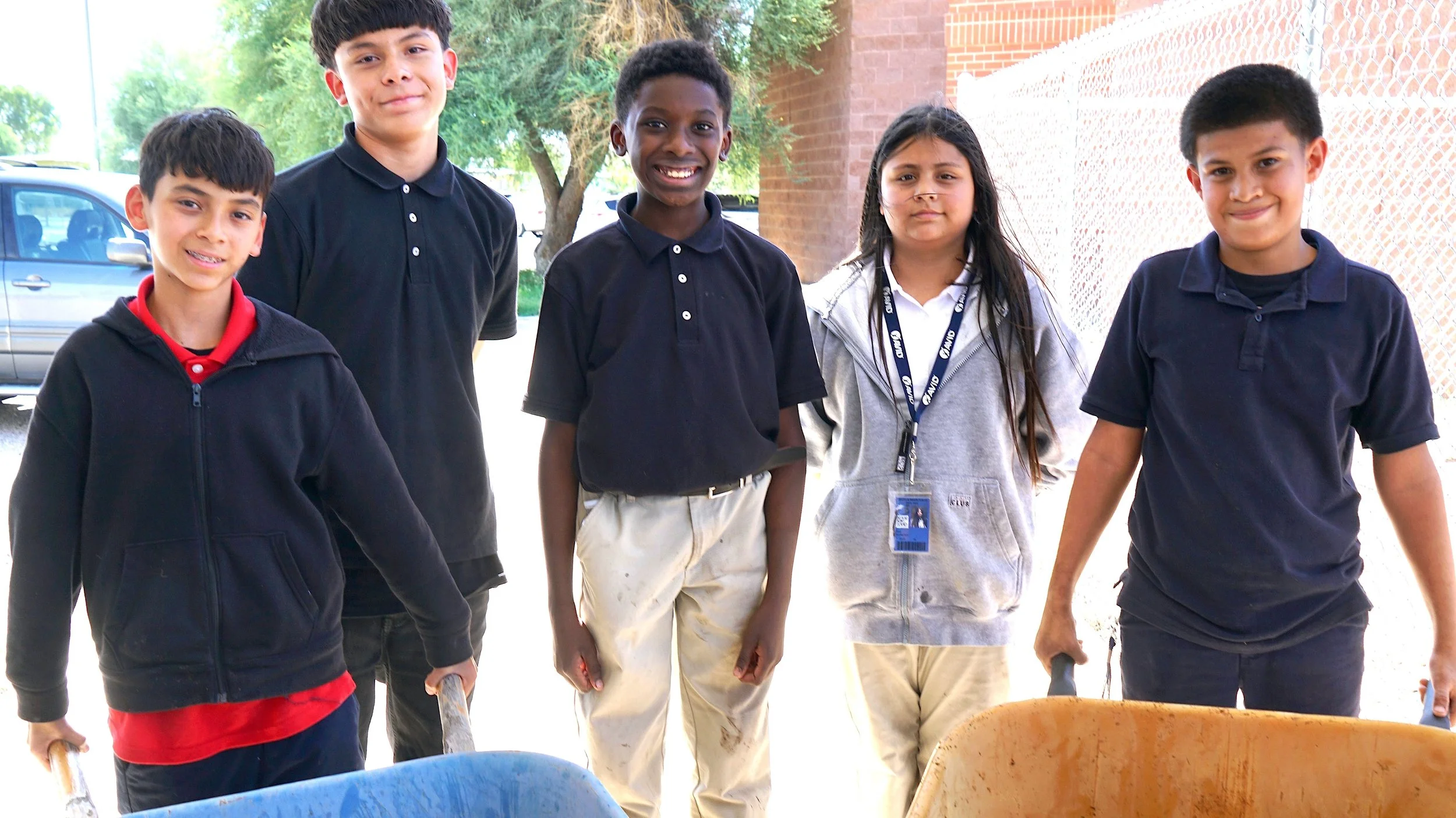
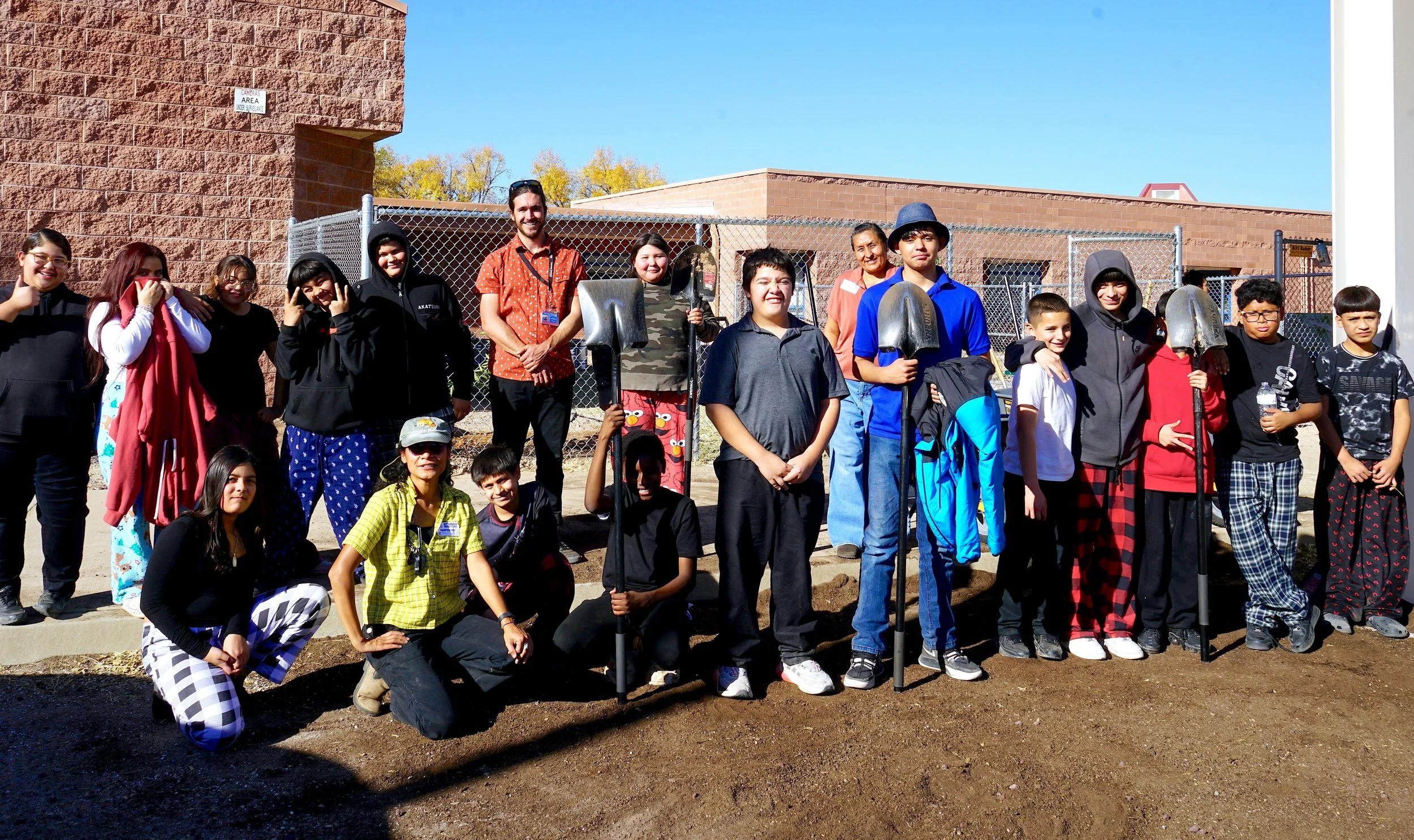
University of Arizona School Gardens Workshop (Tucson)

Grantee Blogs

We are honored to highlight blogs written by our grantees. We invite you to read how they are making an impact. We look forward to showcasing recent blogs from other grantees each month. 

Featured Blog

One Million Degrees, Chicago | June 2026

America is finally realizing what community colleges have been doing all along

As companies voice growing frustration that traditional degree programs are failing to not produce enough job-ready talent, another type of institution has long delivered results from the margins: community colleges. 

Two-year colleges are uniquely positioned to help fill this talent gap. Their programs are built around in-demand skills, employer partnerships and alignment with industry needs — all in service of producing talent ready for real jobs. They stand ready to become the partner of choice in developing the next generation of skilled workers if employers and policymakers are willing to meet them halfway. 

Community colleges across the country have partnered with Education Design Lab to reimagine their missions to better serve the needs of present-day learners and employers. These efforts focus on creating stackable credentials, designing applied learning opportunities and strengthening student supports. All of this is happening even as many community colleges are grappling with lean staffing, limited budgets and few resources relative to the breadth of their mission. 

The Springboard Collaborative

March 2026

making learning last: extending literacy beyond the school year

Every autumn, teachers across the country experience a familiar frustration. Students who made real reading progress during the school year return in September needing to rebuild rather than build on what they achieved. The culprit? Summer, or so the story goes.

But what if we’ve been framing the problem incorrectly all along?

In our recent webinar, Making Learning Last: Extending Literacy Learning Beyond the School Year, we brought together three leaders to challenge that assumption and share what’s actually working on the ground.

It’s Not a Summer Problem. It’s a Continuity Problem.

Liz McChesney, who leads literacy and library connections at the National Summer Learning Association (NSLA), put it plainly: “Summer isn’t neutral. It’s where differences in access start to build and compound, where opportunity gaps become achievement gaps.”

iMentor Chicago

May 2026

Why mentorship is the smartest investment companies can make in the future workforce

For employers, early-career hiring has become more complex, with fewer entry-level roles, more applicants per role, and growing pressure to identify candidates equipped to grow in a changing landscape. The traits companies value, including judgment, professional instincts, and real-world awareness, are not taught in classrooms. They’re developed through exposure and relationships, often through mentorship.

Labeling this a “skills gap” names only part of the challenge. This is also a connection gap, and the resources to bridge it already exist within today’s workforce but remain underutilized, often reinforcing the same patterns of access for those already inside the system.   

Partnership for College Completion

May 2026

belonging: the transfer experience gap

For many transfer students, the hardest part of college isn’t getting in, it’s figuring out how they fit in when they arrive. 

When choosing a new institution, students often begin with practical questions: Will my credits transfer? Can I afford this? How long will it take to graduate? But once reality sets in, those questions become more personal: Where do I find my people? How will I feel like I belong?

In Illinois, 1 in 10 incoming college students transfer from another institution (IBHE). While the pathways into college have diversified, the idea of a “traditional student” has become increasingly outdated and institutions have not kept pace. Orientation programs, advising models, and student life are still largely built around a “traditional” first-time freshman experience.

The Modern Classrooms Project

October 2025

Adding Inquiry to My Modern Classroom Through Building Thinking Classrooms

To strengthen my Modern Classroom Project course with inquiry-based learning, I attended a workshop focused on using inquiry in Modern Classroom settings. I was especially struck by research presented in the workshop, which highlighted how inquiry-based learning increases student engagement, boosts academic achievement, and enhances learners’ ability to direct their own learning. The workshop introduced the 5E instructional model—a constructivist framework developed in the late 1980s by the Biological Sciences Curriculum Study (BSCS) under the leadership of Roger Bybee—as a common structure for implementing inquiry. The model is grounded in Jean Piaget’s theory of cognitive development and Lev Vygotsky’s social learning theory. The five Es are: engage, explore, explain, elaborate, and evaluate.

Sunnyside Foundation Tucson

August 2025

tri-school parternship aims to improve postsecondary attainment

The Sunnyside Foundation is proud to be a partner in a new initiative – the Tri-School Partnership aimed at helping more Sunnyside Unified School District students enroll in and reach their higher education goals.

Sunnyside Unified School District, in collaboration with Pima Community College and the University of Arizona, seeks to work seamlessly in support of the SUSD College and Career Blueprint to improve postsecondary attainment. Leaders of each institution will continue to work collaboratively and commit staff time to the development and implementation of new initiatives that will support direct student support, pathway alignment, and family outreach.

The Chicago Public Education Fund

October 2025

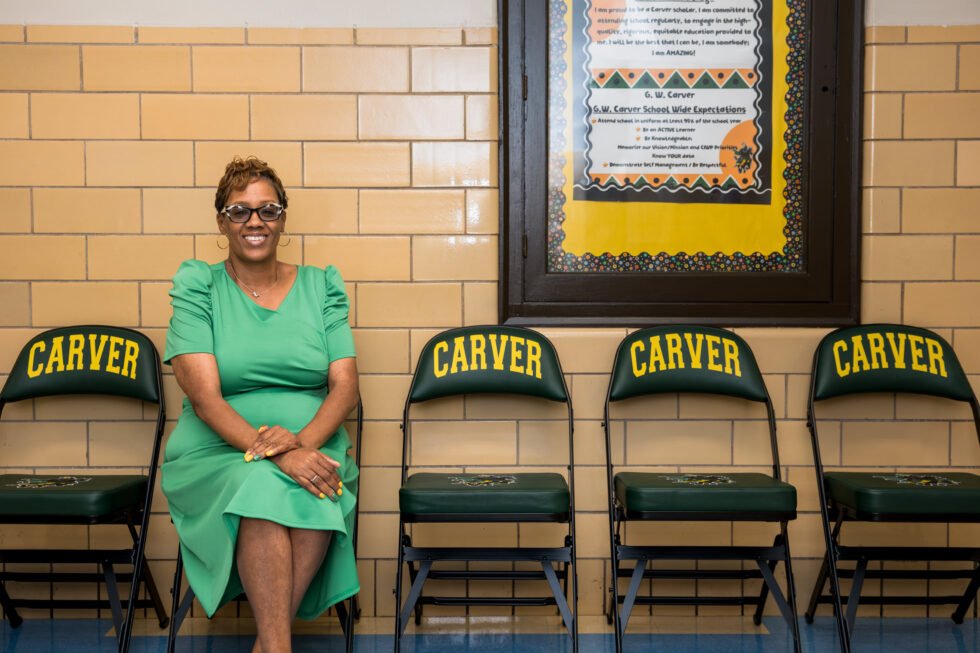
Growth in Trust and Attendance Through Family Engagement at Carver Elementary School

Stepping into the principalship, Venus saw that student attendance had plummeted to 78% and chronic absenteeism was impeding academic progress. Rather than act on assumptions, Venus gathered both quantitative and qualitative data to understand the root causes of absenteeism and student and community disengagement. She reviewed school-wide attendance trends, analyzed participation rates at events like report card pickup (which stood at just 24%), and conducted one-on-one interviews and surveys with staff and families. These data sources revealed a pattern: many parents felt alienated from the school due to prior negative interactions and inconsistent leadership. The data also showed that parents wanted more transparent communication and a stronger voice in their children’s education.

Venus saw this as an opportunity to build a foundation of trust, shared accountability, and collaboration. Firmly believing in listening to all stakeholders — including students, staff, and families — she prioritized family engagement as a key strategy for improving attendance and accelerating learning.

Contact Us

Please direct all correspondence and communication to: 

The Osa Foundation
info@theosafoundation.org

Robin Lavin
President
robin@theosafoundation.org

Amy Sauer
Strategic Advisor
amy@theosafoundation.org